
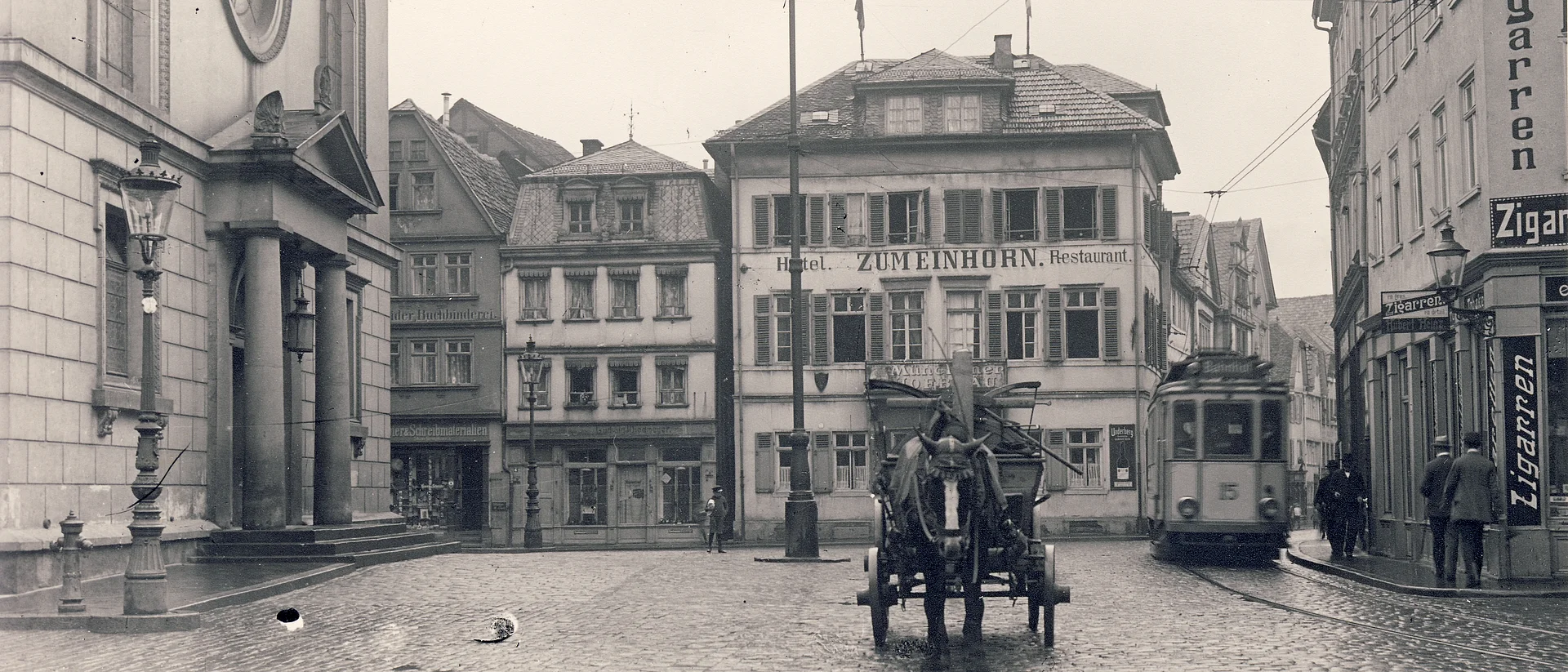
The history of local public transport in Giessen.
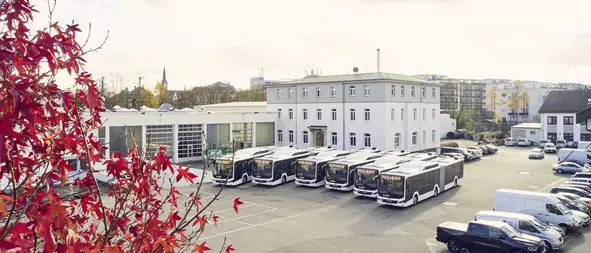
Still a long way to go
We take the citizens of Giessen to work, school or home. Our buses provide comfortable and environmentally friendly mobility on a total of 16 daily and 2 night-time routes.
Biomethane
It only takes two years from the start of the changeover to the 100% biomethane-powered bus fleet. The last diesel bus will leave the company in 2019.
Introduction of the Venus and Saturn night bus lines
The two night bus routes now ensure uninterrupted mobility on the nights from Friday to Saturday, Saturday to Sunday and before public holidays.
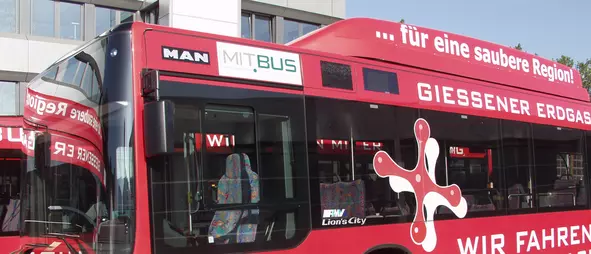
Clean air for Giessen
The environmentally friendly natural gas bus fleet has been growing continuously since the first vehicles were purchased in 2006.
MIT.BUS GmbH
MIT.BUS GmbH, a wholly-owned subsidiary of Stadtwerke Gießen (SWG), has been running local public transport services in Gießen since October 2003. This was made possible by the acquisition of Verkehrssbetriebe Pfeiffer GmbH.
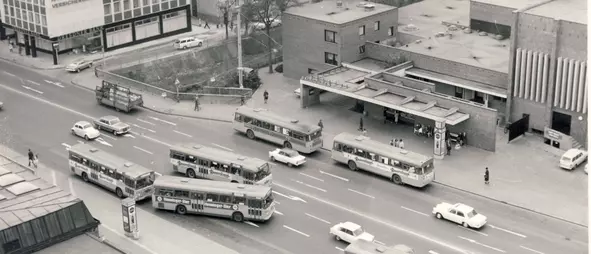
Diesel instead of electricity
The city bus routes are now operated exclusively with diesel buses.
Dismantling the trolleybus facilities
The end of the remaining trolleybus operations took place in several stages from 1968 onwards, as the municipal utilities had to find buyers for the vehicles, which were still almost as good as new.
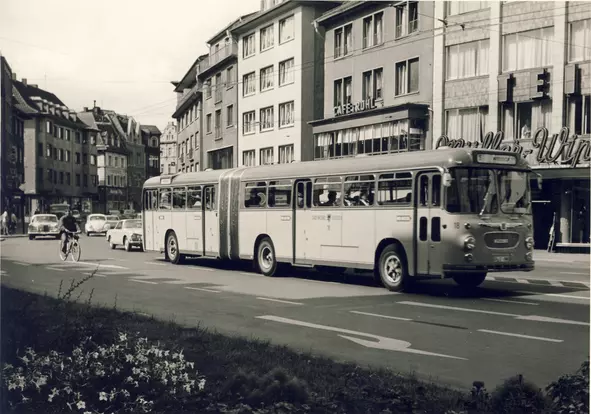
Articulated buses
Commissioning of the first articulated bus, Büssing/Emmelmann model 13 RU 10.
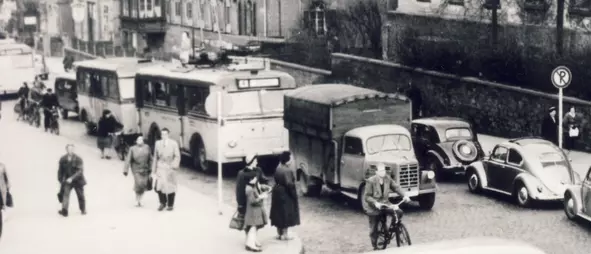
Farewell to the tram and buses with trailers
On its last day, 3 April 1953, the tram carries its passengers for free. In the 1950s, the trolleybus is the most important means of local transport in Giessen and is regarded as a pioneering mode of transport. Buses with trailers are used for the first time.
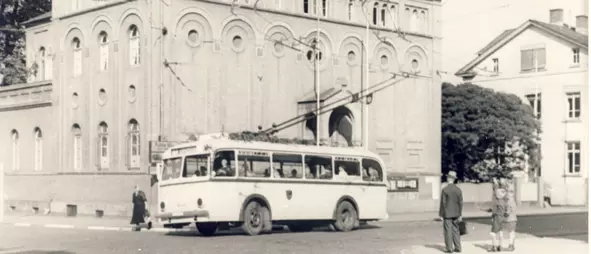
Creation of a large trolleybus system
The growing city and new military installations made it necessary to open new local transport lines from the mid-1930s. The expansion of the tram network had reached its limits due to technical obstacles and the tight development of the city centre. Trolleybuses were now the solution.
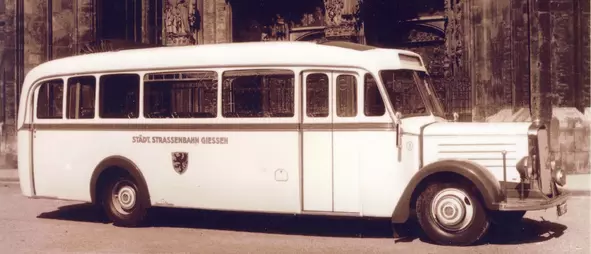
The first buses
The first Mercedes Benz O 2600 buses are purchased to operate a connecting route between Bergkaserne and Waldkaserne. The timetable is based on the requirements of market days and weekends.
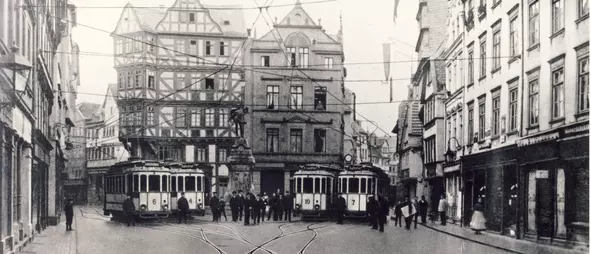
The electric comes
The "electric" tram starts operation. Initially, two lines are set up - a red and a green line. The tracks and war memorial mean that the actual function of Giessen's market square is finally lost: it is now a transport hub.
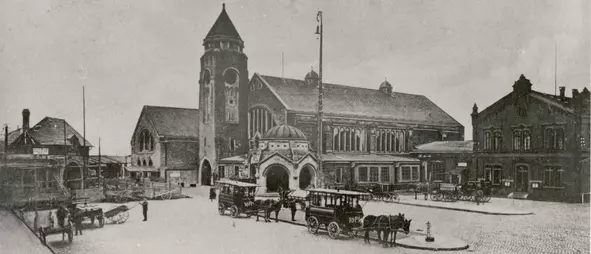
Horses - the first local transport service providers in Giessen
On 1 August 1894, Giessen citizens can use horse-drawn buses for the first time. They ran daily between 6 a.m. and 10 p.m. and provided connections to the main trains at Giessen railway station. A journey into the city cost just 10 pfennigs.